FAQ: How Cody Journal Works
I want to take a moment to be transparent and share about how Cody Journal works overall. There has been more curiosity about how we work and why we’ve made the decisions we have.
Journalism is changing, and how people receive their news is changing too. With much thought on how we want to present information, Cody Journal is choosing to break the current mold. We looked back at how news was handled prior to Watergate and bring aspects of journalism from that time forward to today, while examining the potential pitfalls of our choices.
Watergate drastically shaped journalism. It elevated one type of journalism, investigative reporting, to become the main focus for American Media. The journalists who ferreted out the information to uncover the scandal became rock stars. Thorough research happened and the subjects of stories were not allowed to review what was written prior to publication. Investigative journalism is exactly what’s needed for tough stories or those trying to hide an agenda.
However, in a small town, most of the stories do not need that level of distance or scrutiny to be valid. This is why Cody Journal has chosen to work differently.
Pre-Publication Review
We are more collaborative than most and allow people to review their articles prior to publication. And if multiple parties are included in an article, they all get to review it. We don’t believe that every article needs to be held to the standard of investigative journalism. At the moment, we don’t cover articles in this manner, but we may in the future.
We offer pre-publication review for multiple reasons. First of all, for accuracy. Even in the best of interviews, we realize that not everyone speaks exactly what they want to say, nor do we as interviewers hear everything accurately. We also don’t assume we know all the complexities of a topic as thoroughly as the people we interview. By allowing pre-publication review, we know what is published is as accurate as possible.
Moreso, we want people to feel comfortable talking freely with us and knowing that nothing is really “on the record” because we have the pre-publication review in place. This invites transparency that has been lacking in our community. It gives people a true voice, which is why our tagline is “The Voice of Cody.” We believe that people are generally doing the best they can, but mistakes in communication happen. There needs to be a way to open the doors to sharing intentions, not just words spoken.
Our Approach to Community Journalism
The Cody Journal exists to serve this community, not to observe it from a distance. We also maintain journalistic objectivity and work to include all aspects of the community to allow readers to form their own opinions. It has been said that everyone has an agenda. Our agenda is to provide information that promotes transparency, understanding, and communication.
We believe the people of Park County deserve a media outlet that treats them as partners in local storytelling. We work to hear people accurately, to represent them fairly, and to help them express their experience and knowledge in ways that inform and strengthen the community around them. That is not a compromise of journalistic integrity. It is the foundation of it.
If you want more of a definition, I’m afraid it’s like when someone asked Louie Armstrong for a definition of jazz. The great Satchmo is reputed to have replied something like this: ‘Man, if you have to ask, it won’t do me any good to try to explain.’ You know community journalism when you see it; it is the heartbeat of American journalism, journalism in its natural state.” — Jock Lauterer
In our work over the past few years, we have learned that very few people or organizations have anything nefarious to hide. However, we have uncovered actions that showed internal communication conflicts. While we could have run with the stories and gained readership because of the sensationalistic, negative gossip aspect, we chose not to. Instead, we let the organizations handle it internally. The issues were not harmful to the public, but could deeply embarrass and harm relationships within the organizations.
How We Maintain Journalistic Independence
So, how do we handle pressure from people who want to influence a story or are truly trying to hide something? Because of the nature of our collaborative approach, we ask them what they truly seek. If we can find a way to collaborate, we will. Becoming a community contributor might be their best option. The story may also be put off farther on the editorial calendar to give time for contemplation about how to approach the topic.
However, when pressure does occur (and it does), we have a policy in place that protects writers from these awkward situations. We want our writers to know that they can openly share any inappropriate pressure with the editor/publisher. At that point, the editor/publisher will step in to handle the situation.
About Community Contributors
As The Voice of Cody, we are here to allow people to share and promote what they do. Our community contributor program opens the door for businesses and other community entities to share news about all the good they’re doing here. These informative pieces are a form of advertising, often called advertorials (advertising + editorials). We do charge for this and often work closely with the contributor to strategize ways to help them reach their goals.
We’ve worked with Yellowstone Regional Airport to help them correct inaccuracies they were hearing in town and better share what they’re doing to bring in a second airline. This level of community contributor includes a PR component, which we offer sparingly to clients due to resource constraints.
All are welcome to become community contributors – including those running for office. However, we do not allow mudslinging, airing grievances, or denigration of others. This is in the contract for community contributors, and where our pre-publication review process keeps the negativity to a minimum.
If you are interested in our community contributor program or other advertising, please contact us at [email protected].
Cody Journal’s Six Content Types
With this new approach to media, we want people to be clear about what they’re reading. To this end, we will begin labeling the articles as to their type, so that you, the reader, understands how it has been handled. The label will be at the bottom of the article.
1 | Community Profile
What it is
A story produced in genuine partnership with its subject. Community Profiles are the Cody Journal’s version of community journalism at its most collaborative. We work with the person or organization to get their story right, in their voice, on their terms, within our standards.
This is not ghostwriting, and it is not PR. It is journalism that begins with deep respect for the subject’s perspective and works outward from there. The journalist listens carefully, asks questions, and helps the subject express what they know and who they are. We work together because not everyone speaks with perfect precision in an interview, and we don’t always hear with perfect precision either. The collaborative process exists to serve both accuracy and dignity at once.
Community Profiles are used for features, business spotlights, personal stories, and other coverage where the goal is to illuminate rather than investigate.
What the collaboration looks like
- The subject reviews the draft before publication.
- Factual corrections, clarifications, and changes to phrasing are welcomed and expected.
- The journalist and subject work through any disagreements in conversation.
- When a difficult truth needs to be part of the story, the journalist has that conversation with the subject directly — how to include it, how to frame it, how to be honest without being unfair.
What the subject does not control
- Final editorial decisions, including whether difficult but relevant information is included.
- Headlines, photos, and captions.
- Publication timing.
The rule
Partnership means we work together. It does not mean the subject has veto power over the final piece. Accurate information needs to be in the story and the subject objects, the journalist brings that conversation to the editor. We treat people with dignity. We do not suppress truth to protect them from it, but we handle truth with care.
2 | Pre-Publication Verified
What it is
Reported journalism produced by a Cody Journal journalist, in which the primary source or subject has been given the opportunity to review the piece before publication for factual accuracy. This is the standard for most original reporting that involves identifiable individuals, businesses, or organizations, particularly when the subject did not initiate the coverage.
Pre-publication review reflects our commitment to getting it right. It is an editorial choice, not an obligation, and the editor determines when it is appropriate.
What sources may request during review
- Correction of factual errors: names, dates, titles, figures, direct quotes.
- Clarification of language that is genuinely ambiguous.
- Addition of context that was not available during reporting.
What sources may not request
- Changes to framing, tone, or editorial emphasis.
- Removal of accurate information that they find unflattering.
- Approval of headlines, photos, or captions.
- Delay of publication for reasons other than a specific factual dispute under active review.
The rule
Review is offered to check facts, not to transfer editorial control. The difference between a Community Profile and a Pre-Publication Verified piece is the nature of the collaboration. In a Profile, the subject is a partner in building the story; in a Pre-Publication Verified piece, the subject is reviewing a story that was reported independently. That distinction matters, and both the journalist and the subject should understand.
3 | Press Release as Submitted
What it is
Content provided by an outside party, such as a business, organization, government office, or individual, and published as received, without substantive editing by Cody Journal staff. The label tells readers that the content originates with the submitting party, not with our journalism.
Cody Journal staff review submissions for basic compliance with standards, but do not verify claims or add reporting. We do not reach out for a pre-publication review, though we will work to let the submitter know when we are running the story.
What submitters may request
- Correction of formatting errors introduced in the publication process.
- Withdrawal of the submission before publication.
What submitters may not request
- Edits to the published version after submission are accepted.
- Guaranteed publication. Submission does not constitute acceptance.
- Placement, timing, or prominence decisions.
The rule
The label carries the editorial weight. Readers understand this content is the submitter’s voice, not ours. We do not vouch for its accuracy; we vouch for our transparency about its origin.
4 | Press Release with Writer
What it is
Content that originates with an outside party but has been reviewed, supplemented, or lightly rewritten by a Cody journal journalist. This may involve adding local context, verifying a key claim, or improving clarity. The resulting piece reflects both the submitter’s information and the journalist’s editorial hand. Depending on the level of Cody Journal involvement, we may offer pre-publication review.
What submitters may request
- Factual corrections to the information they provided.
- Flagging of additions or changes they believe are inaccurate, with a specific objection.
- Withdrawal before publication.
What submitters may not request
- Removal of journalist-added context that is accurate.
- Approval of the final version as a condition of publication.
- Control over headline, framing, or presentation.
The rule
Once a journalist’s editorial judgment enters a piece, the Editorial Independence Policy governs the rest of the process. The source’s contribution does not entitle them to final say.
5 | Community Contributors
What it is
Content written by community members, such as columnists, contributors, guest writers, letter writers, and others who contribute their perspectives under their own names. This content represents the contributor’s voice, not the Journal’s editorial position.
Community Voice content is edited for clarity, and basic standards including pre-publication verification. It is not reported or fact-checked to the same standard as community profiles or investigative journalism, and the label communicates that to readers.
What contributors may request
- Review of edits made by Cody Journal staff before publication.
- Restoration of language changed without altering meaning or violating standards.
- Withdrawal before publication.
What contributors may not request
- Publication of content that does not meet Cody Journal standards.
- Immunity from editing.
- Control over placement, timing, or presentation.
The rule
Community Voice is published in the spirit of open dialogue. Contributors retain their voice; the Cody Journal retains its standards.
6 | Investigative
What it is
Original reporting involving sustained research, document review, multiple sources, or accountability journalism directed at institutions, officials, or matters of significant public interest. Investigative pieces carry the highest editorial and legal scrutiny before publication.
Dignity still applies here. Investigative journalism is not a license to be cruel, careless, or unfair. It is an obligation to pursue truth in the public interest – carefully, thoroughly, and with fairness to everyone named in the story.
What sources may request
- The opportunity to respond to specific findings before publication. This is not optional courtesy; it is a journalistic obligation.
- Correction of factual errors in information attributed to them.
What sources may not request
- Access to the full draft as a condition of participation.
- Changes to findings, framing, or conclusions.
- Advance knowledge of publication timing.
The rule
Investigative subjects are entitled to fair treatment and the opportunity to respond — not to editorial control. The Cody Journal’s community values do not go away in investigative work. They show up as rigor, fairness, and the discipline to be sure before we publish.
[Community Contributor Article]
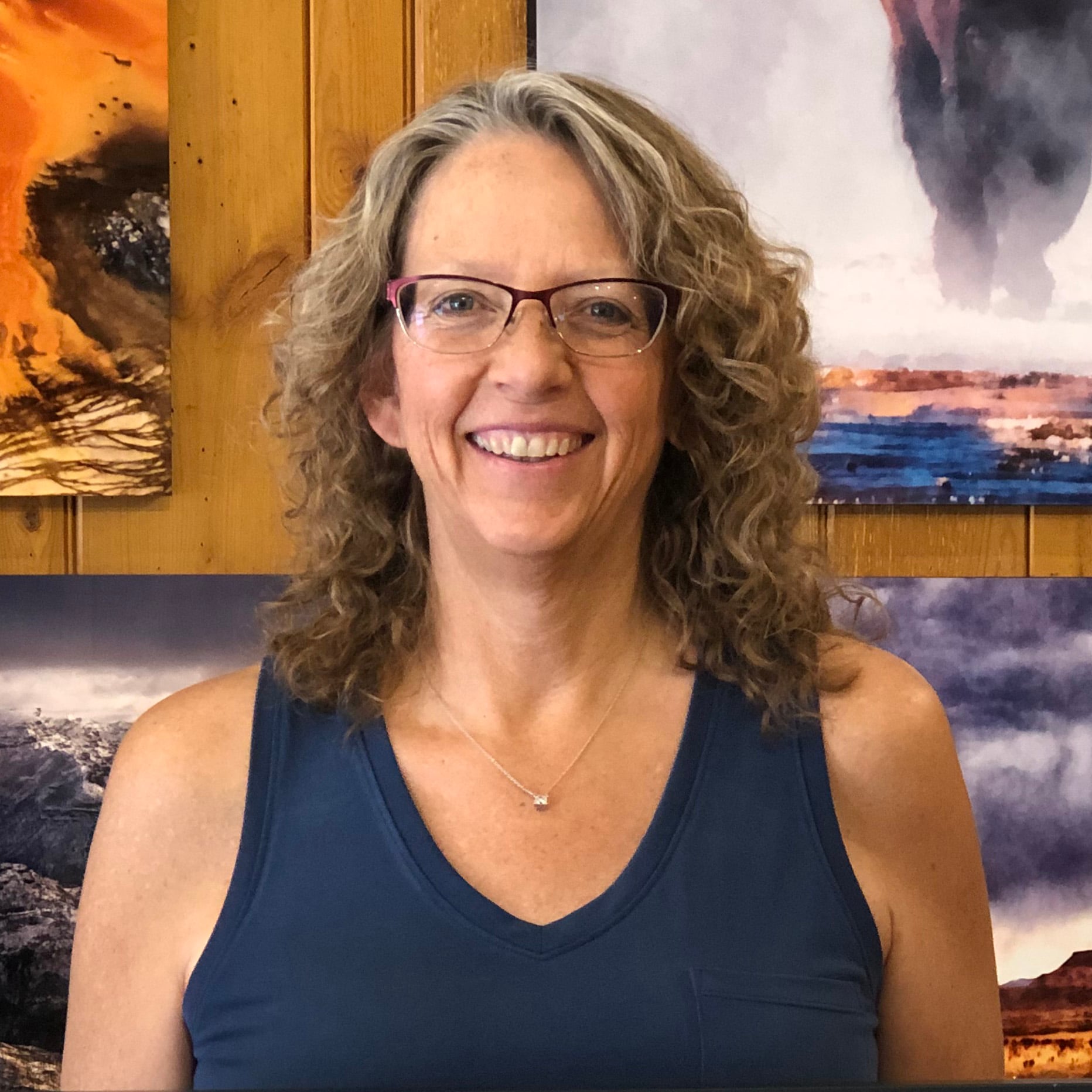
Janet Jones
Owner, Publisher, Editor
Janet has a rich history in Cody with her grandparents moving here in the late 1930s. Her grandfather started Wyoming Well Service. Janet is a writer, photographer, graphic designer and webmaster. Cody Journal and Cody Calendar blends her skills and talents with her love of the area.
This article is proudly sponsored by